


 Call Us Now
 Schedule a Consultation

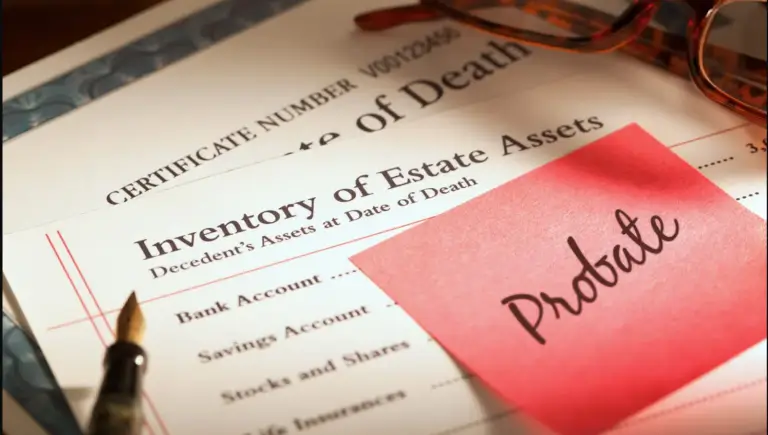
When a loved one passes away, families in Manhattan and New York City often face a mix of grief and complex legal questions. One process that brings many people stress and confusion is probate—the legal method of settling someone’s estate after death.
With local courts in New York handling thousands of probate cases each year, individuals, families, and caregivers need to understand what probate involves, how it works, and what steps they can take to be prepared.
Probate can seem daunting, especially for those handling it for the first time. In New York, the requirements and timelines are strict, varying from county to county. Missteps can lead to delays, disputes among heirs, or even loss of assets.
By gaining a clear sense of the process, you can help make sure your loved one’s wishes are respected and minimize added stress during a challenging time.
Here, our experienced probate attorneys will break down each stage of the New York probate process to give you clarity as you navigate it. Let’s take a look.
What Is Probate and Why Does It Matter in New York?
Probate is the court-supervised process where a person’s assets, debts, and final wishes are dealt with after their passing.
If the person had a valid will, probate confirms that it is recognized, and assets are passed to the correct people. If a person dies without a will or if the will is invalid, state laws determine how property is divided. This is called Administration, which is a process similar to Probate but without a valid Will.
In dense urban areas like Manhattan, many families own co-ops, condos, or have family businesses. These types of assets must often go through probate before they can be transferred, sold, or managed.
Because Manhattan and the rest of New York City can have high property values and complex family structures, careful probate handling is especially critical.
Initiating a Probate Case in New York County
The process starts with filing a petition in the Surrogate’s Court. You’ll need the original will (if there is one), a certified copy of the death certificate, and detailed information about the person’s assets, debts, and heirs. In Manhattan, this takes place at the New York County Surrogate’s Court on Centre Street.
Who can start probate? Generally, the executor named in the will brings the case. If there’s no will, a close family member can file for what’s called “administration.”
A basic checklist for starting probate in New York City:
- Original will and any codicils (amendments to the will)
- Death certificate (available through the New York City Department of Health)
- List of family members and heirs (“distributees”)
- Petition for probate (the court form)
- Court filing fee (which varies by estate size, typically $45–$1,250)
If you’re not sure how to obtain all of these documents or want to double-check that yours are accurate, contact a probate attorney before beginning the process.
The Role of the Executor or Administrator
Once probate is approved, the court gives authority—called “Letters Testamentary” or “Letters of Administration”—to the executor or administrator, respectively. This person can then access and manage the deceased’s bank accounts, sell personal property, collect debts owed to the estate, and pay outstanding bills.
Acting as executor in Manhattan comes with special responsibilities. You’ll need to notify all interested parties, publish certain notices, and keep careful records. Many executors find it helpful to use an estate account at a local New York bank to separate estate funds from personal money.
Common Challenges in the New York Probate Process
Several issues come up during the New York probate legal process that families should be aware of. This includes situations involving:
Multiple Family Members
In Manhattan, it’s common for families to be spread out or have second marriages, stepchildren, or estranged heirs. This can complicate notification and increase the risk of disputes over the deceased person’s estate.
Real Estate and Co-Ops
Transferring Manhattan co-op shares through probate often requires board approval and can take longer than other property types. Technically, condos and stand-alone homes are considered real property. Co-ops are considered property since what is owned is interest in shares in the cooperative and not interest in real estate.
Creditors and Taxes
Executors sometimes must publish a notice to creditors or unknown heirs in a local newspaper and must ensure all outstanding debts and taxes (including New York State and New York City estate taxes owed) are paid before distributing assets.
Contested Wills
Disputes about a will’s validity or the person’s mental capacity at signature are not uncommon in high-value or complex estates.
It’s wise to keep copies of all communication and maintain a probate timeline. If you encounter conflicts, mediation services are available through the New York State Unified Court System.
Ways to Simplify or Avoid Probate in New York
Probate in New York City Courts can be a time-consuming and costly legal process, taking an average of 20 months to complete. Some cases even take several years, according to the U.S. government.
However, in many cases, it’s possible to simplify or even avoid it altogether. Whether you’re planning your own estate or handling the affairs of a loved one, understanding your options can save time, money, and stress.
In New York, several strategies can help bypass the formal probate process and confirm that assets are transferred smoothly. Below are some of the most common and effective ways to simplify or avoid probate:
Small Estates
If the estate is under $50,000 and there’s no real estate, you can file a “voluntary administration.” This is typically simpler and faster than the traditional probate process.
Joint Ownership and Beneficiary Designations
Jointly owned assets or those shared with named beneficiaries (like life insurance, IRAs, or Payable-on-Death bank accounts) can transfer directly and skip probate.
Trusts
Assets held in a properly funded trust also avoid probate court, remaining private and reducing delay.
Many New Yorkers now include trusts and beneficiary designations in their planning to help loved ones skip court. With the help of a probate attorney, it’s best to review account titles and beneficiary forms every few years to keep plans up to date.
Tips and Tools for New York City Families
To keep your family’s probate process smooth, we recommend that you:
- Store original wills and legal documents in a safe, known place. New York Surrogate’s Courts require originals, not copies. It is not generally advisable to store them in a bank safety deposit box.
- Make a detailed estate asset list—including real estate, stocks, digital assets, and even family heirlooms.
- Communicate your wishes with your future executor and heirs to help prevent misunderstandings.
- Know that legal help is available. Many local organizations offer free workshops, and community agencies may help with forms for low-income households.
Final Reflections and Next Steps
While probate proceedings in New York can be detailed, proactive preparation makes a difference. When families understand how probate works, keep good records, and use available tools, they reduce the chance of family disputes and legal complications.
In Manhattan, Brooklyn, Queens, and the Bronx, where assets and living situations are often complex, attention to detail offers peace of mind for everyone involved.
If you or a loved one will be involved in a probate case, take the time to review assets now, clarify your wishes, and organize important documents. These steps not only ease the probate process for your family but also help honor the legacy of those you care about.
Remember, New York’s local court system and community resources can guide you, but thoughtful preparation is the best gift you can give your loved ones for tomorrow.
Contact a Probate Attorney at the Law Offices of Vlad Portnoy P.C.
We offer valuable guidance through the entire probate process in New York, confirming that estates are administered efficiently and by the law. Whether you’re facing a straightforward probate matter or complex estate litigation, our experienced attorneys are here to protect your interests and provide the support you need during a difficult time.
Reach out today to learn how we can assist you.

